A used machine should earn its way onto your shortlist with evidence. Paint, a clean cab and a confident seller can make a good first impression, but a buying inspection needs to answer harder questions: is this the machine advertised, what condition is actually documented, what could not be tested, and what will it cost to put the equipment into productive use?
This checklist is designed for buyers arranging a professional inspection of construction, farm, material-handling or industrial equipment. It helps you organize the evidence without turning a general article into instructions for hazardous testing or repair.
In This Guide
- Confirm Machine Identity and Inspection Scope
- Check Safety Equipment and the Operator Area
- Document Structure, Running Gear and Wear
- Separate Leaks, Symptoms and Diagnosis
- Record the Operating Demonstration
- Turn Findings Into a Purchase Budget
- Make a Continue, Pause or Pass Decision
- Watch a Manufacturer Example
- Questions Buyers Often Ask
Confirm Machine Identity and Inspection Scope
Start before the machine is operated. Record the make, model, full serial or product identification number, advertised hours and the seller’s description of previous use. Photograph the identification plate and meter display. Match those details to service invoices, parts records and the draft sales document.
Agree on the inspector’s scope in writing. Ask which systems can be assessed at the seller’s location, who will operate the machine, whether attachments can be demonstrated and what remains outside the inspection. If oil sampling, electronic diagnostics or specialist testing is extra, decide whether the purchase risk justifies it.
- Machine and attachment identifiers
- Meter reading and any display replacement history
- Seller-declared faults or recent repairs
- Inspection limitations and unavailable tests
- Photographs tied to specific findings
Check Safety Equipment and the Operator Area
Ask the inspector to assess the safety systems and operator environment that belong on the actual machine. Depending on equipment type, that may include the seat belt or restraint system, cab or ROPS condition, steps and handholds, horn, alarms, lights, mirrors or camera systems, controls, interlocks and warning indicators.
OSHA’s construction-equipment rules address items such as brakes, seat belts, horns and reverse-warning arrangements for covered equipment. Those rules are workplace requirements, not a complete purchase checklist, but they show why a buyer should not treat safety equipment as cosmetic. Do not accept disabled alarms or bypassed interlocks as a harmless shortcut.
Document Structure, Running Gear and Wear
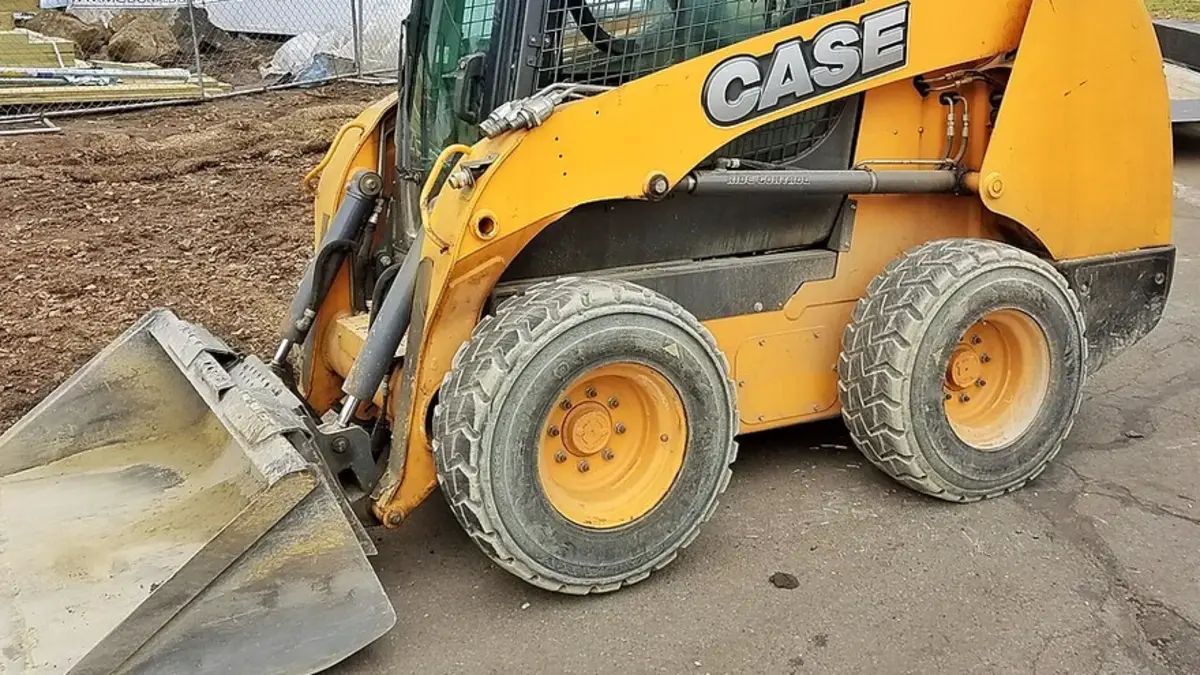
Structural and wear components can turn a low purchase price into a large near-term bill. Have the inspector document frames, booms, loader arms, buckets, quick couplers, pins and bushings, cylinders, wheels or undercarriage, attachment interfaces and visible repairs. Ask for photos of cracks, welds, bent members, missing hardware, leaks and uneven wear.
On smaller screens, scroll the table sideways to see every column.
| Area | Evidence to Record | Decision Question |
|---|---|---|
| Structure | Damage, repairs, welds, alignment concerns | Is specialist review needed? |
| Tires or tracks | Wear pattern, damage, remaining usable condition | What replacement cost belongs in the budget? |
| Pins and linkage | Observed movement and inspector comments | Is wear routine or evidence of a larger repair? |
| Attachments | Identity, condition, locking interface | Does the sale package match the intended work? |
Separate Leaks, Symptoms and Diagnosis
Engine, cooling, hydraulic, transmission and final-drive observations need disciplined wording. A wet hose, slow function, warning code, unusual noise or hot component is a symptom until a qualified person identifies the cause. Do not let a seller’s quick explanation become the repair budget.
Ask the inspector to separate three things: what was observed, what diagnosis is supported, and what further work would be needed to confirm the cause. Bobcat’s machine-inspection outline shows how broad a professional review can be, covering structure, running gear, engine, hydraulics, controls, warnings and safety equipment.
Record the Operating Demonstration
Document what the machine actually did during the viewing. Note the operator, surface, duration, attachment, ambient conditions and any functions that were not demonstrated. A five-minute idle in a yard is not the same evidence as an appropriately scoped operational assessment.
Keep spectators out of the working area and let the trained operator or inspector control the demonstration. Do not crawl beneath raised equipment, touch suspected hydraulic leaks, bypass safety devices or improvise a load test. If the site cannot support a safe test, record the limitation and price the uncertainty instead of forcing the test.
Turn Findings Into a Purchase Budget
Convert the report into four lists: defects that must be corrected before use, repairs that should be quoted before purchase, routine maintenance due soon, and unresolved items that require more evidence. Keep those amounts separate from your general contingency reserve.
Then add inspection, transport, initial service and required attachments to the asking price. Our total cost of ownership guide gives you a consistent way to compare two machines that have different purchase prices and repair needs.
Make a Continue, Pause or Pass Decision
Continue when the machine fits the work, the inspection has answered the important condition questions and the machine-to-work cost fits the budget. Pause when a named document, quotation or specialist check could resolve a material uncertainty. Pass when the configuration is wrong, ownership cannot be verified, safety concerns are unresolved or the unknowns exceed the risk you are willing to fund.
Keep the inspection report with the listing, service history, seller correspondence and purchase document. That file becomes the starting point for maintenance records if you buy the machine.
Watch a Manufacturer Example
Daily Machine Walk-Around and Safety Checks
Caterpillar demonstrates a daily walk-around on compact equipment. Use this as a visual introduction to inspection organization. A purchase inspection needs its own agreed scope, and procedures must match the exact machine.
Show video playerCat Landscaping and Construction · YouTubeHide video player
Watch on YouTube (opens in a new tab)
Source: Cat Landscaping and Construction manufacturer page. No autoplay. Follow the instructions for the exact machine.
Questions Buyers Often Ask
Can one checklist cover every equipment type?
It can organize the evidence, but the exact systems, limits and tests depend on the machine. Give the inspector the model, serial number and intended application so the scope matches the equipment.
What should the report say when a test cannot be completed?
State which function was not tested, why and what would be needed to assess it. An inaccessible component or unavailable attachment should not receive an implied pass.
How do I use the findings to negotiate?
Use confirmed repair scopes and quotations, plus the cost of required attachments, service and transport. Resolve material unknowns before treating them as a precise discount.
Sources and Scope · Research checked September 21, 2026. U.S.-first buyer education. This is an editorial research guide, not a report on a machine we inspected. Equipment-specific procedures and limits belong in the correct manufacturer manual and with qualified personnel.
- OSHA 1926.601 — Motor Vehicles
- OSHA 1926.602 — Material Handling Equipment
- Bobcat — Machine Inspection
See our Editorial Policy and send a correction.
Featured photograph: Photo by Wikideas1 · Wikimedia Commons · CC0 1.0. Cropped and resized to 1200 × 675; converted to WebP.
Video source: Cat Landscaping and Construction — Daily Machine Walk-Around and Safety Checks.