Costs & Ownership
The purchase price is only the starting point of a used-equipment budget. Compare machines using the same ownership period and expected workload so that your assumptions stay visible.
Build the Budget in Layers
1. Acquisition: purchase price, applicable fees and taxes, inspection, and any financing costs.
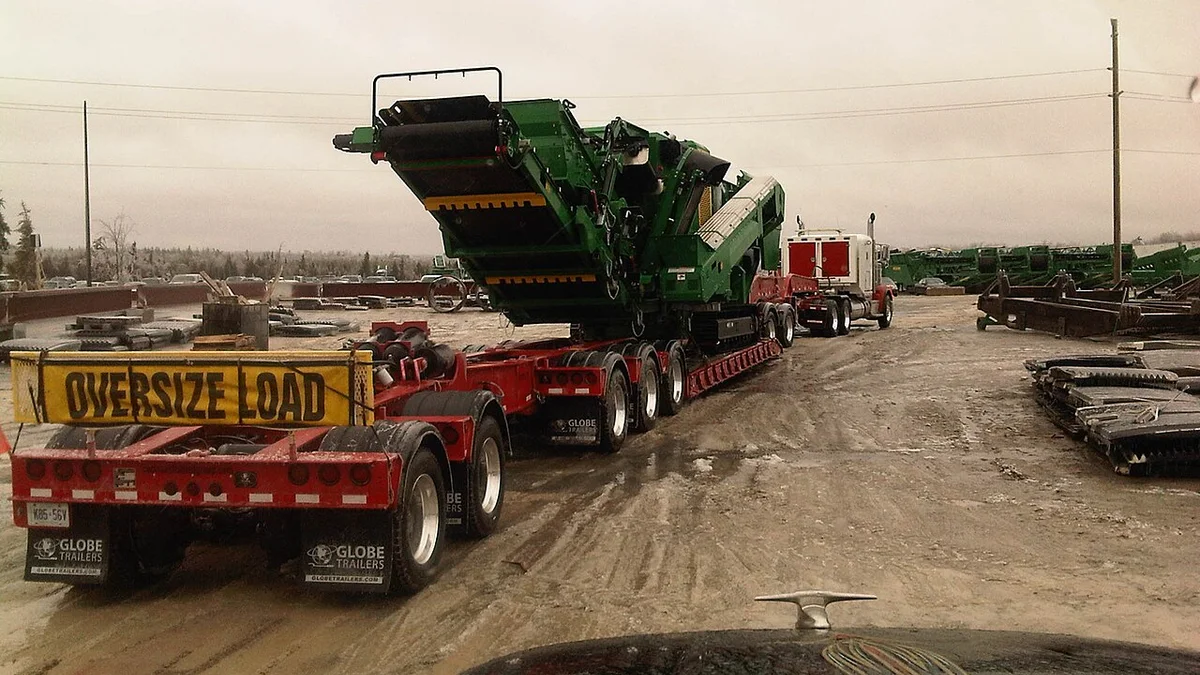
2. Getting to work: transport, installation where relevant, initial servicing, and identified repairs.
3. Operation: fuel or electricity, routine maintenance, wear parts, storage, and insurance.
4. Uncertainty: repair reserves, downtime, substitute equipment, and changes in utilization.
5. Exit: expected selling costs and an explicitly uncertain resale assumption.
Keep quoted costs separate from estimates. A low asking price can still lead to a higher total budget, while a higher-priced machine is not automatically a better value. Obtain current local quotes and professional advice where the decision involves finance, tax, insurance, or appraisal questions.
Start with the purchase requirements, then use inspection findings and maintenance planning to refine the comparison.
Used Equipment Total Cost of Ownership: How to Compare the Real Cost Before Buying
Build an equipment ownership budget with a worked example covering acquisition, operating costs, repairs, resale and utilization.