Construction Equipment
Research used excavators, skid steers, compact track loaders, wheel loaders, backhoes, and dozers with the intended job in mind. A machine that suits one contractor’s work may be a poor match for another site or workload.
Build a Useful Shortlist
1. Describe the job, working space, ground conditions, and attachments you need.
2. Check dimensions, capacity, attachment compatibility, and transport requirements against manufacturer specifications.
3. Ask for the model, serial number, service history, and an explanation of previous use.
4. Budget for an independent inspection, delivery, initial service, and any identified repairs.
Do not turn an hour-meter reading into a condition verdict. Service records, wear, repair history, and a qualified assessment add context that the number alone cannot provide.
Continue with Inspections & Condition, Buying Guides, and Costs & Ownership.
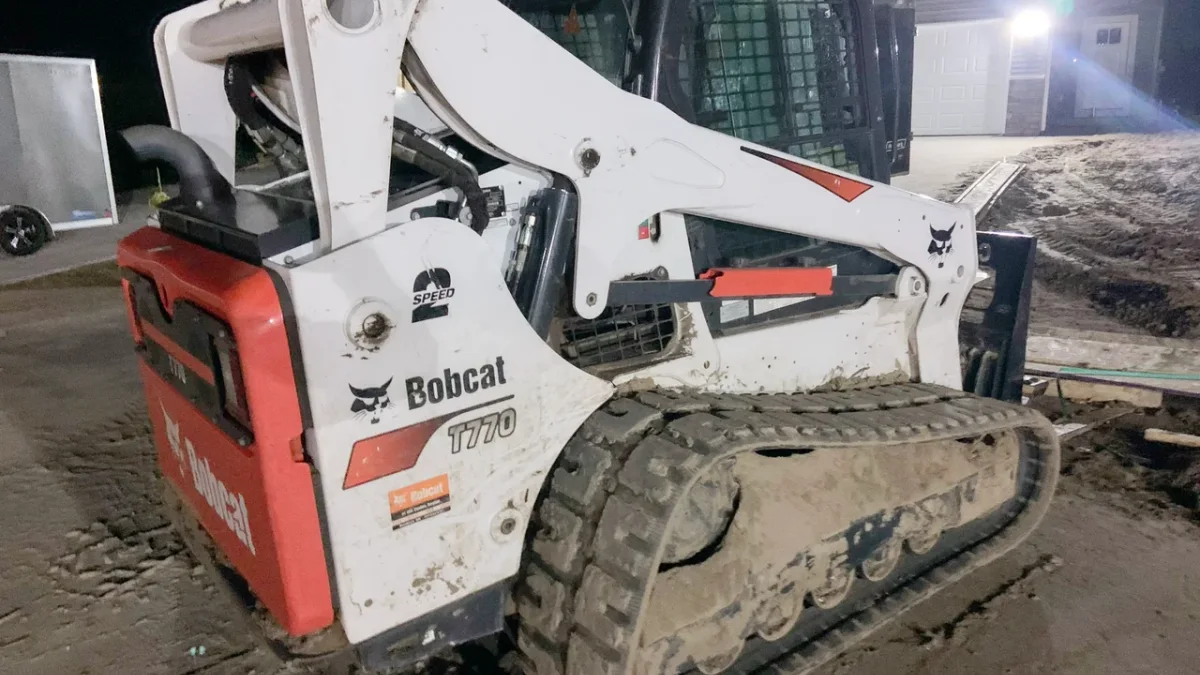
Skid Steer vs. Compact Track Loader: Which Used Machine Fits Your Work?
Compare used skid steers and compact track loaders by surfaces, workload, transport, running-gear condition and ownership costs.
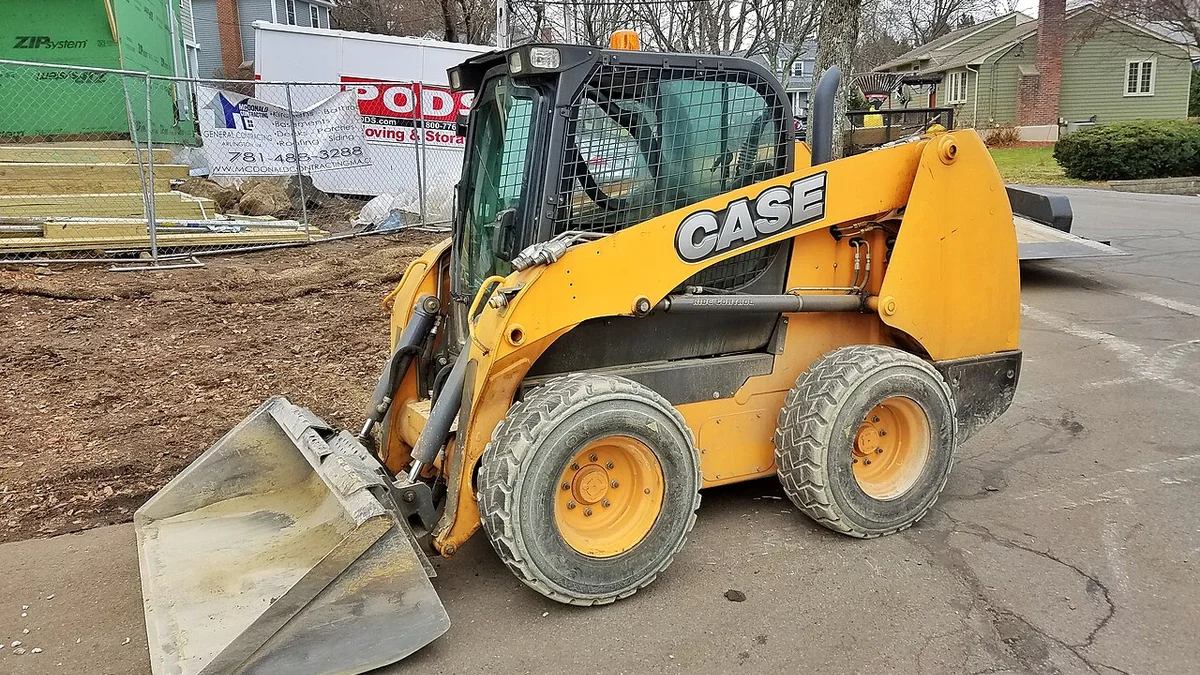
Used Skid Steer Inspection Checklist: What to Record Before You Make an Offer
Use a buyer-focused skid steer checklist to document condition, safety concerns, demonstrations, attachments and repair follow-up.
Used Skid Steer Buying Guide: How to Match the Machine, Attachments, and Job
Compare a used skid steer by job requirements, lift and attachment fit, condition, service support and the complete purchase package.
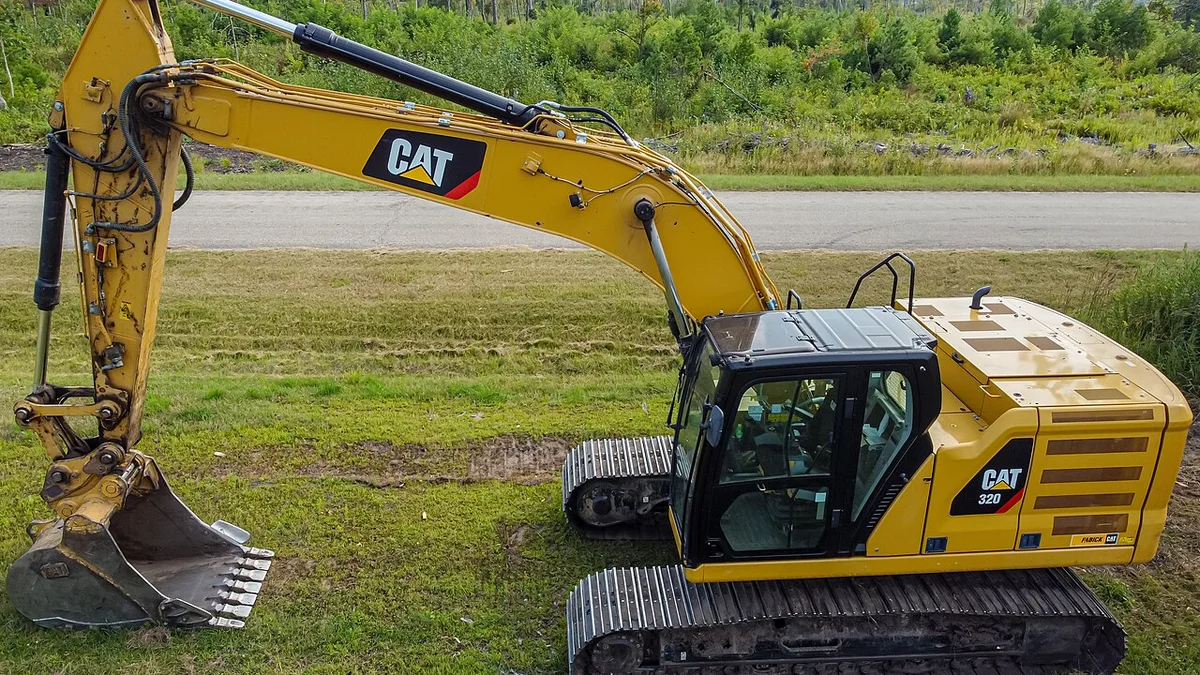
How Many Hours Is Too Many for a Used Excavator? A Condition-First Guide
Judge used excavator hours alongside documented maintenance, previous work, component history and the condition of the actual machine.
Used Excavator Inspection Checklist: What to Record Before You Buy
Prepare for a used excavator inspection with a structured record of identity, condition, operating observations and unresolved questions.
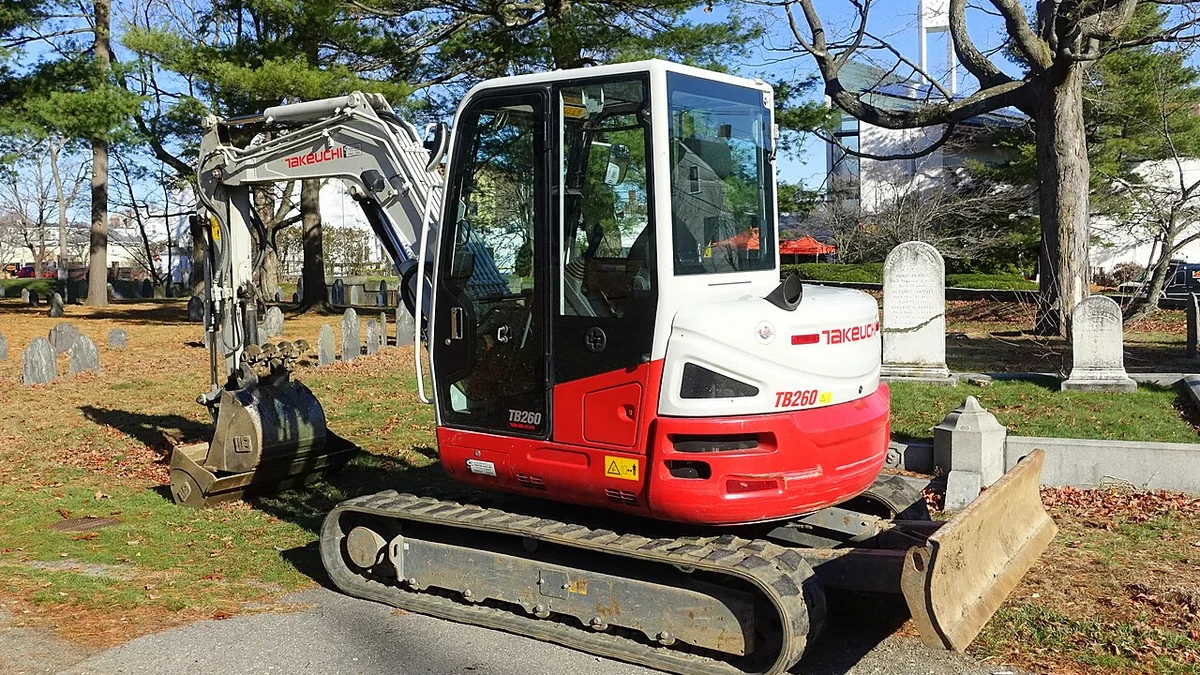
Used Mini Excavator Buying Guide: How to Match Size, Attachments, and Condition to the Job
Choose a used mini excavator by job fit, access, attachments, condition, service history and the full cost of putting it to work.