Inspections & Condition
Use inspection planning to turn vague concerns into questions a qualified professional can investigate. The goal is to understand the condition of a specific machine and the limits of the evidence available.
Organize the Evidence
1. Identity: record the model, serial number, configuration, and relevant documents.
2. History: ask for maintenance, repair, ownership, and previous-use information.
3. Observations: note visible damage, wear, missing parts, and inconsistencies to discuss with the inspector.
4. Assessment: agree on the inspection scope and request a written account of findings and limitations.
5. Decision: review repair estimates and unresolved concerns before agreeing a purchase.
Photos, paint, a service sticker, and an hour meter cannot establish safety or remaining life by themselves. Do not perform hazardous tests or operate unfamiliar equipment to reproduce a fault; arrange checks with appropriately qualified people.
Combine the findings with the purchase terms and your ownership budget. Our Disclaimer explains the limits of general guidance.
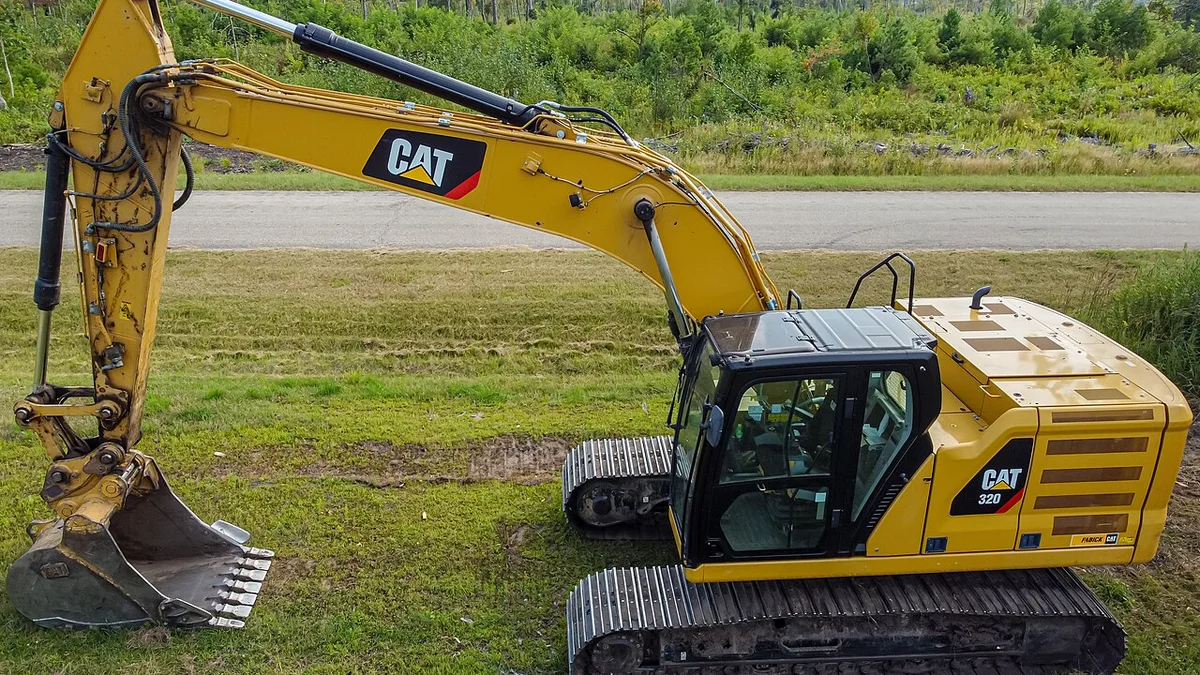
Used Heavy Equipment Inspection Checklist: What to Check Before You Buy
Use a repeatable pre-purchase inspection process to document identity, safety systems, structure, fluids, operation, records and unresolved cost risk.
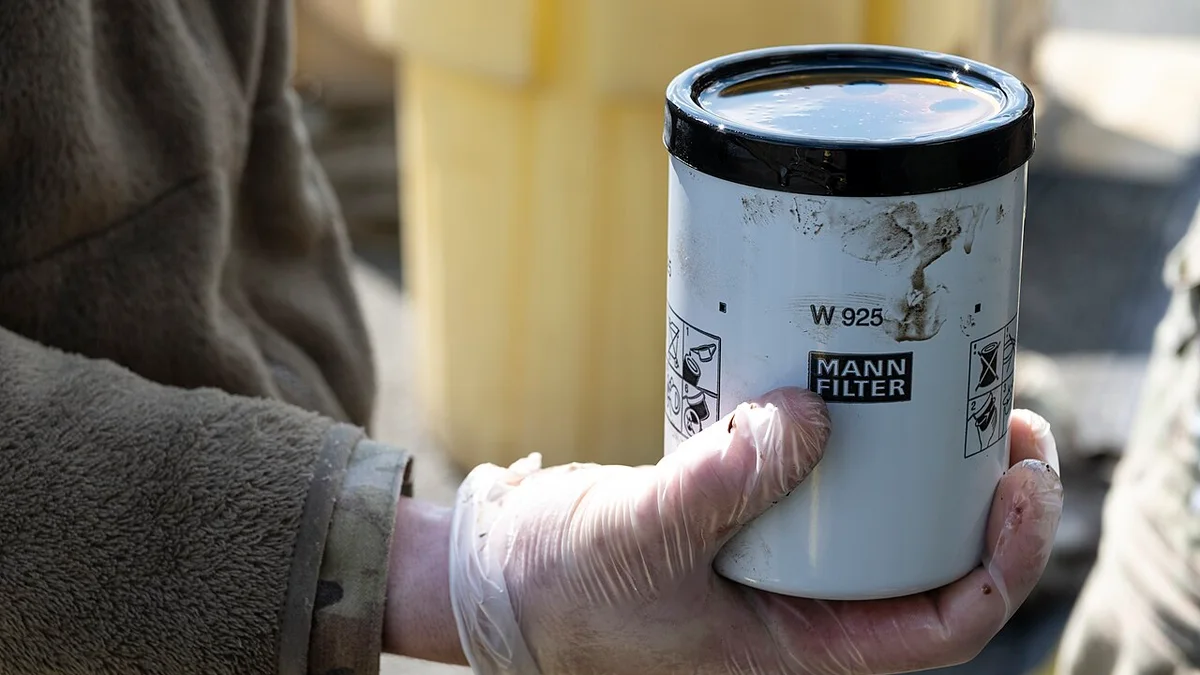
How to Read Used Equipment Service Records Before You Buy
Turn service invoices and repair history into a clear timeline, identify gaps and prepare better questions for a used-equipment inspection.
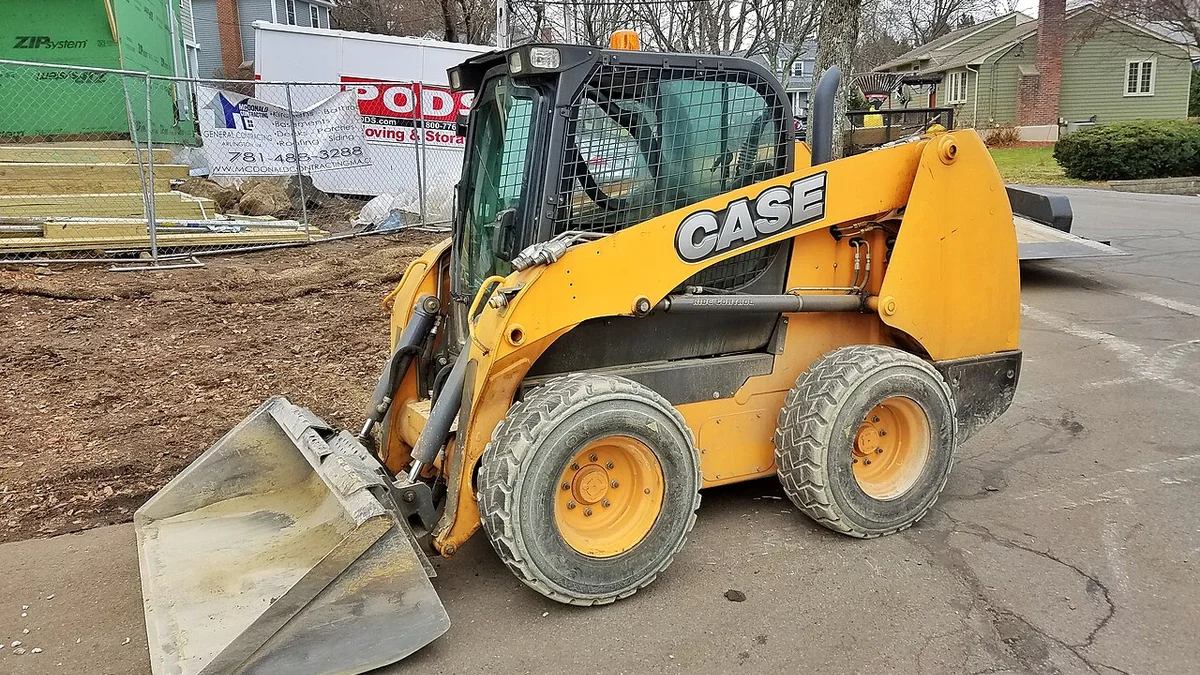
Used Skid Steer Inspection Checklist: What to Record Before You Make an Offer
Use a buyer-focused skid steer checklist to document condition, safety concerns, demonstrations, attachments and repair follow-up.
How Many Hours Is Too Many for a Used Excavator? A Condition-First Guide
Judge used excavator hours alongside documented maintenance, previous work, component history and the condition of the actual machine.
Used Excavator Inspection Checklist: What to Record Before You Buy
Prepare for a used excavator inspection with a structured record of identity, condition, operating observations and unresolved questions.